Texas storms punish roofs. Rockwall sees hailstones the size of quarters and updrafts strong enough to peel back shingles. Flat roofs collect water along clogged drains. Metal panels take wind-borne dents. When a roof fails, crews scramble, tenants call, and the clock starts on interior damage. SCR, Inc. General Contractors steps in fast, stabilizes the structure, and helps owners move forward without losing weeks to insurance back-and-forth. The approach is simple: stop the leak, document the loss, and restore the system with materials that stand up to North Texas weather.
This article explains how storm damage roof repair works in Rockwall, what fixes last, and how to avoid an insurance headache. It also shows how SCR’s commercial roofing team helps facility managers across the DFW corridor, with an eye on Grand Prairie’s heavy wind and hail belt. For a roofing contractor Grand Prairie decision, this context matters because many properties share the same storm patterns, roof assemblies, and failure points seen in Rockwall.
What storm damage looks like on Rockwall roofs
Hail damage shows as bruised shingles, fractured mats, and punctures in TPO or PVC membranes. On metal roofs, dents appear near seams and fasteners and sometimes split sealant lines. Wind damage shows as missing shingles, displaced ridge caps, lifted flashing, and torn coping caps along parapets. Flat roofs see membrane shrinkage, pulled seams, and punctures at walkway pads. After a heavy cell dumps rain, ponding water builds around clogged roof drains and scuppers. UV degradation cooks the surface and accelerates cracking. Thermal shock after a cold front opens blisters and splits.
A quick walkaround can reveal lifted edges and water stains under soffits. Inside, look for new ceiling spots, wet insulation, and the sour smell of damp drywall. On commercial roofs, check HVAC curbs, skylights, and penetrations first. Those areas fail early under wind pressure and hail strikes.
First 24 hours: stabilize, document, prevent secondary loss
After a storm, the goal is to prevent further damage while building a clean file for insurance. SCR dispatches an emergency crew to set safety perimeters, tarp or shrink-wrap slopes, and place temporary roof covers at punctures and open seams. On flat roofs, crews set sandbags around ponding areas and clear drains to relieve weight. Infrared thermal cameras scan the roof to locate subsurface moisture trapped in ISO board insulation without cutting open the system. That keeps the building drier and limits tear-off later.
Accurate documentation helps avoid the adjuster tug-of-war. Crews mark hail impacts, record wind direction, and photograph every slope and elevation. Drones capture the full layout, mechanical units, parapets, and any debris fields. This visual record often shortens the claim cycle and reduces disputes over the scope of work.
Fast fixes that hold up under North Texas weather
Short-term patches help, but durable repairs solve the source of intrusion. On shingle roofs, technicians replace damaged shingles and reseal ridge and hip lines. Valleys receive new underlayment where torn. Pipe jacks and vents get fresh boots and clamps. On standing seam metal, crews reset loose panels, add butyl tape at laps, and replace failed fasteners with oversized fasteners where metal has elongated. Sealant gets upgraded to high-temperature formulations near rooftop units and exhaust fans.
For flat roofs, the best results come from addressing seams, penetrations, and drainage. Crews heat-weld open TPO seams and add cover patches where hail or debris punctured the membrane. They install reinforced HVAC curbs and coping caps to prevent water intrusion at common failure points. Walkway pads near service paths protect areas that see the most foot traffic. Where ponding water persists, minor tapered insulation builds or retrofit drains correct slope and flow. If membrane shrinkage has pulled at terminations, new termination bars and expansion joints reduce future stress.
Repair, restore, or replace: choosing the right path
Not every damaged roof needs a full replacement. In many Rockwall cases, targeted repairs and a silicone or acrylic restoration bridge the gap to a future capital project. A silicone roof coating, like Gaco, can seal a weathered flat roof, reflect UV, and back a 15 to 20-year NDL warranty when the substrate qualifies. This avoids a costly tear-off, reduces landfill waste, and keeps operations running.
Replacement makes sense when the membrane is at end of life, water has saturated insulation across large areas, or hail has compromised a significant percentage of the surface. Owners who plan to hold the property for a decade may prefer a full system upgrade now. Those planning to sell sooner may favor restoration that meets buyer due diligence and lender requirements. The right decision balances remaining roof life, energy performance, warranty coverage, and the cost of downtime.
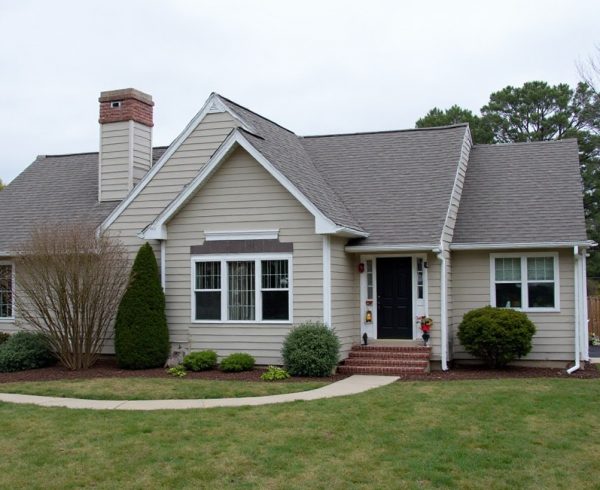
How to move forward without the insurance headache
Insurance can stall projects. The key is to align scope, price, and documentation from day one. SCR’s teams prepare a clear, itemized estimate with photos, test data, and a repair-versus-replacement matrix. If an adjuster challenges the scope, infrared scans and core samples back up moisture findings. Timelines stay tight because the crew performs temporary dry-in work while the claim finalizes, then moves straight into permanent repairs or restoration.
Owners appreciate that this keeps tenants operating and protects interiors. The company’s large-loss experience across the DFW Metroplex, including storm corridors in Rockwall and Grand Prairie, helps resolve the claim without months of back-and-forth. That means the roof gets fixed, and the business stays on schedule.
Materials and systems that stand up to Dallas-area storms
For commercial roofs, TPO and PVC remain strong choices in hail-prone regions, with reinforced membranes performing best under impact. EPDM still performs well with proper ballast or securement and detail work at penetrations. Metal roofing delivers long service life, but edges, ribs, and fasteners need attention after wind events. Roof coatings such as silicone handle ponding water better than acrylics and reflect more UV, which lowers rooftop temperatures and stress.
Brands matter for warranty coverage and long-term performance. SCR installs GAF systems with Master Elite status for steep-slope and low-slope applications. For industrial membranes, Carlisle SynTec and Firestone (Holcim) provide proven TPO and EPDM options. On high-end restoration, Gaco silicone systems, Sika Sarnafil PVC, and options from Johns Manville, Mule-Hide, Everest Systems, and Kemper System round out solutions for complex roofs. The combination depends on roof deck type, insulation condition, and exposure.
Addressing common problem areas after a storm
Most leaks trace back to specific details. Flashing fails where wind loosened edges. Skylight curbs crack or gaps open under thermal movement. HVAC curbs develop splits in corners where a roofer once rushed the detail. Parapet walls collect driven rain that finds its way under old coping caps.
A thorough repair plan addresses each point. Replace deteriorated flashing. Set new coping caps with continuous cleats and proper sealant. Reseal skylight frames and verify lens integrity. Add new counter flashing where walls meet the roof. At drains and scuppers, remove debris, re-seat strainers, and check for cracks in the bowl or pipe. These steps stop recurring leaks that simple surface patches fail to resolve.
The special case of ponding water and membrane shrinkage
Ponding water leads to premature failure. It adds weight, feeds algae, and breaks down adhesives and seams. On older roofs, drain height and poor slope cause puddles. The fix can be as small as replacing a clogged drain insert or as involved as adding tapered insulation. Silicone restoration helps, but it is not a bandage for structural slope issues. Crews must first solve drainage.
Membrane shrinkage shows up as pulled flashings and exposed insulation at edges. It often appears after heat cycles and years of UV exposure. The solution is to reset terminations, add expansion joints, and replace affected sections with properly relaxed material. Where shrinkage is widespread, a replacement or overlay may be the prudent path.
Rockwall homes and businesses: what to do before the next storm
Property owners can take simple steps that pay off. Keep trees trimmed back from the roof. Clean gutters and downspouts ahead of spring hail season. On commercial buildings, schedule an inspection before summer. This catches loose fasteners, open seams, and brittle sealants that storms exploit. After any hail report, even if the roof looks fine from the ground, request a drone-based assessment. Minor punctures do not leak on day one, but trapped moisture in licensed roofer Grand Prairie TX ISO board can show up months later as interior staining and mold.
Why fast response matters in Rockwall
Rockwall’s lakes and open plains can intensify wind around storm fronts. A small opening at a ridge can lift felt and shingles in minutes. Flat roofs start to absorb water through pinholes and seam weaknesses that were stable before the storm. The faster a crew dries in the structure, the less likely interior finishes, equipment, and production areas suffer loss. This lowers the claim, protects occupancy, and preserves the property’s value.
SCR builds schedules around this reality. Trucks carry shrink wrap, peel-and-stick membranes, and temporary drains. The team can reach most Rockwall addresses the same day a storm clears the area. For owners managing multiple sites, a single call triggers inspections across the portfolio.
For commercial assets across DFW, including Grand Prairie
While this article focuses on Rockwall storm repair, much of the work mirrors conditions in Grand Prairie. The city sits in a high-demand logistics and manufacturing corridor, stretching through Dallas, Tarrant, and Ellis counties. Facilities in and around the Great Southwest Industrial Park and the Lockheed Martin complex take regular hits from hail, high-velocity winds, and strong UV. A roofing contractor Grand Prairie decision should account for these stressors.
SCR, Inc. serves Grand Prairie zip codes 75050, 75051, 75052, and 75054 with commercial and industrial roofing. The team supports logistics centers in 75050 and retail corridors in 75052. Rapid response extends to sites near EpicCentral and the Great Southwest Industrial Park. Multifamily properties in Westchester and Mira Lagos benefit from crews trained on steep-slope systems and flat roof amenity decks. The service area connects into Arlington, Irving, Dallas, Fort Worth, Cedar Hill, Mansfield, and Euless to support regional portfolios.
An executive snapshot for facility managers
Owners want clarity: what’s wrong, what it costs, and how soon it can be watertight. SCR’s executive entity report approach lays this out. Core services include roof repair, roof replacement, flat roof systems, metal roofing, and roof coating solutions such as silicone restoration. Typical storm symptoms include hail impacts, wind blow-offs, ponding water, membrane shrinkage, UV degradation, thermal shock cracks, punctures, blistering, flashing failure, and clogged drains. Key components under review include the roof membrane, ISO board insulation, deck, flashing, scuppers, downspouts, coping cap, skylights, HVAC curbs, parapet walls, and walkway pads. Equipment considerations include commercial HVAC units, roof-mounted exhaust fans, solar panels, and the use of industrial airless sprayers for coatings and infrared thermal cameras for moisture detection.
This level of detail helps justify scope to adjusters and aligns warranty requirements with brands such as GAF, Owens Corning, Firestone, Carlisle SynTec, Mule-Hide, and Johns Manville. High-end options include Gaco silicone, Sika Sarnafil PVC, Everest Systems, and Kemper System for specialized assemblies.
Technical approach that reduces callbacks
An effective storm repair is not a patchwork of sealant. It is a system solution. Crews treat the roof as an envelope under constant movement from wind lift and temperature change. They use heat-welding for TPO and PVC seams, replace failing terminations, and rework transitions at walls and curbs. Where hail has fractured membranes over large areas, they map the impacts and coordinate partial or full replacements based on saturation tests. On metal roofs, they inspect panel alignment, tighten seams, and correct fastener back-out with oversized fasteners and new gaskets.
For candidates suited to restoration, crews prepare the surface through power washing, repair all details, and test adhesion. Then they spray or roll silicone to proper mil thickness for a 15 to 20-year warranty. This process solves UV degradation and adds water protection that stands up to ponding, which is common across North Texas.
Localized knowledge shortens downtime
Rockwall’s mix of newer subdivisions and older commercial stock presents different problems. Newer shingle roofs often hold up but lose ridge caps and pipe boots in wind. Older flat roofs show weak seams and saturated insulation. Understanding these patterns speeds repair planning. The same logic applies in Grand Prairie’s industrial belts, where large, low-slope buildings with numerous HVAC units demand consistent curb detailing and reliable drainage. A team that knows these weak points gets the building dry faster and avoids the cycle of recurring leaks every storm season.
Warranty and compliance that matter to owners
NDL warranties require correct materials and installation from certified contractors. SCR qualifies for GAF Master Elite status and installs Carlisle SynTec systems that meet strict specs. OSHA-certified crews maintain safety plans, and drone inspections document conditions before and after the project. BBB A+ ratings and 24/7 emergency dispatch back up the service promise. These trust signals matter during ownership transitions, lender reviews, or CAM reconciliation on triple-net leases.
Common questions from Rockwall owners
How fast can a crew be onsite after a storm? In most cases, the same day, and often within hours once wind speeds drop. Temporary dry-in starts immediately.
Will insurance cover a roof coating instead of replacement? Sometimes, when damage is repairable and a restoration meets code and warranty standards. The final answer rests with the policy and adjuster. Detailed moisture scans and photos help.
How long does a silicone restoration last? With proper prep and specified mil thickness, many systems carry 15 to 20-year NDL warranties. Maintenance inspections each year keep coverage strong.
What if only part of the roof is wet? Partial tear-off with targeted insulation replacement can restore performance and control costs. Infrared scans define the cut lines.
Does a metal roof with hail dents need replacement? Dents alone may be cosmetic, but split seams, damaged sealant, and compromised fasteners require repair. Insurance decisions hinge on functional damage and leak risk, not appearance.
A brief field note from a recent Rockwall call
A manufacturing facility near I-30 took hail across a 70,000-square-foot TPO roof. At first glance, the roof seemed intact. Infrared scans found moisture in three zones around rooftop units and along a parapet near a scupper. The crew heat-welded patches at punctures, replaced saturated ISO board within mapped cut lines, and reworked the coping cap with continuous cleats. A silicone restoration followed, adding reflectivity and sealing microcracks. Operations never stopped. The claim settled based on the documented moisture and clear scope, without a protracted dispute.
For owners evaluating a roofing contractor in Grand Prairie
Many Rockwall owners also manage properties in Grand Prairie. If the search includes a roofing contractor Grand Prairie provider, look for a team with industrial experience across the Great Southwest Industrial Park and near Joe Pool Lake, where wind can lift unsecured flashing. A contractor who repairs compromised HVAC curbs, resets coping caps, and understands TPO seam failures will protect the roof deck and interior operations. That skill set translates across Dallas and Tarrant counties and supports consistent maintenance programs at scale.
What to do next
Owners who suspect hail or wind damage should request a drone-assisted roof inspection. This documents conditions for insurance and helps decide between repair, restoration, or replacement. SCR, Inc. General Contractors brings more than 20 years of large-loss insurance expertise across DFW, from Rockwall to Grand Prairie. The team responds 24/7, secures the building, and builds a clean, defensible file for claims. For properties near EpicCentral, the Great Southwest Industrial Park, or any Rockwall corridor that took the brunt of a storm, the fastest path back to normal starts with a focused, evidence-based assessment.
Schedule a professional roof assessment. Get a clear plan, a firm timeline, and a repair that holds through the next Texas storm.
SCR, Inc. General Contractors provides roofing, remodeling, and insurance recovery services in Grand Prairie, TX. As a family-owned company, we handle wind and hail restoration, residential and commercial roofing, and complete construction projects. Since 1998, our team has helped thousands of property owners recover from storm damage and rebuild with reliable quality. Our background in insurance claims gives clients accurate estimates and clear communication throughout the process. Contact SCR for a free inspection or quote today.
SCR, Inc. General Contractors
440 Silver Spur Trail
Rockwall,
TX
75032,
USA
Phone: (972) 839-6834
Website: https://scr247.com/, Storm damage roof repair
Map: View on Google Maps
Social Media: Yahoo Local